You've spent years maintaining a family home. The kids have moved out, the stairs are becoming less appealing, and the thought of spending every weekend mowing the lawn and cleaning unused rooms no
Dated: July 29 2026
Views: 175
When most people think about buying a home, they focus on two big numbers: the purchase price and the down payment.
But ask almost any homeowner, and they'll tell you the same thing—there are several costs that catch buyers by surprise.
The good news? Most of these expenses are completely manageable if you know about them in advance.
Let's take a look at some of the hidden costs nobody talks about and how you can prepare for them before you get the keys to your new home.
Closing Costs
One of the biggest surprises for first-time buyers is that your down payment isn't the only money you'll need on closing day.
Closing costs can include:
A common rule of thumb is to budget approximately 1.5% to 4% of the purchase price for closing costs.
While some expenses are unavoidable, planning ahead helps ensure there are no last-minute surprises.
The Home Inspection
A home inspection isn't always required, but it can be one of the smartest investments you make during the buying process.
A qualified home inspector may uncover:
Spending a few hundred dollars today could potentially save thousands down the road.
Utility Setup and Service Fees
When you move into a new home, you may need to:
Many providers charge connection or setup fees that buyers often overlook when budgeting for their move.
Moving Costs
Whether you're hiring professional movers or convincing friends to help, moving isn't free.
Potential expenses include:
The larger the home and the farther the move, the higher the cost can be.
Immediate Home Improvements
Even when a home is move-in ready, most buyers end up spending money shortly after moving in.
Common purchases include:
Many homeowners discover that "just a few small projects" can add up quickly.
Property Taxes
Property taxes are often included in affordability calculations, but buyers don't always appreciate how much they can impact monthly expenses.
Taxes vary by municipality and property type, so it's important to understand the annual cost before making an offer.
Home Insurance
Lenders require home insurance before closing, but many first-time buyers don't factor it into their monthly housing budget.
Insurance costs can vary based on:
Obtaining quotes early can help you budget more accurately.
Condo Fees
If you're purchasing a condominium, monthly condo fees are an important consideration.
These fees may contribute to:
While condo fees can reduce some maintenance responsibilities, they are an ongoing cost that should be factored into your monthly budget.
Maintenance and Repairs
One of the biggest adjustments for first-time homeowners is realizing there's no landlord to call when something breaks.
Eventually, every home requires maintenance.
Some common examples include:
A good rule of thumb is to set aside money each month for future maintenance and unexpected repairs.
The "I Need That" Shopping Spree
This may be the hidden cost buyers underestimate the most.
After moving in, it's tempting to buy:
While these purchases can make your new house feel like home, they can quickly strain your budget if you're not careful.
How to Avoid Financial Surprises
The best way to prepare for hidden costs is to create a realistic budget before you start shopping.
Consider setting aside funds for:
✓ Closing costs
✓ Moving expenses
✓ Immediate home projects
✓ Emergency repairs
✓ Utility setup fees
✓ New homeowner purchases
Having a financial cushion can make the transition into homeownership much less stressful.
Final Thoughts
Buying a home is an exciting milestone, but understanding the full picture is just as important as saving for the down payment.
The buyers who enjoy the smoothest transition into homeownership are often the ones who plan for the costs that don't appear on the listing sheet.
When you know what to expect, you can focus less on financial surprises and more on enjoying your new home.
Thinking About Buying Your First Home?
I'd be happy to help you understand the true costs of homeownership, connect you with trusted professionals, and create a plan that fits your budget and goals.
Let's make sure there are no surprises on your journey to homeownership.
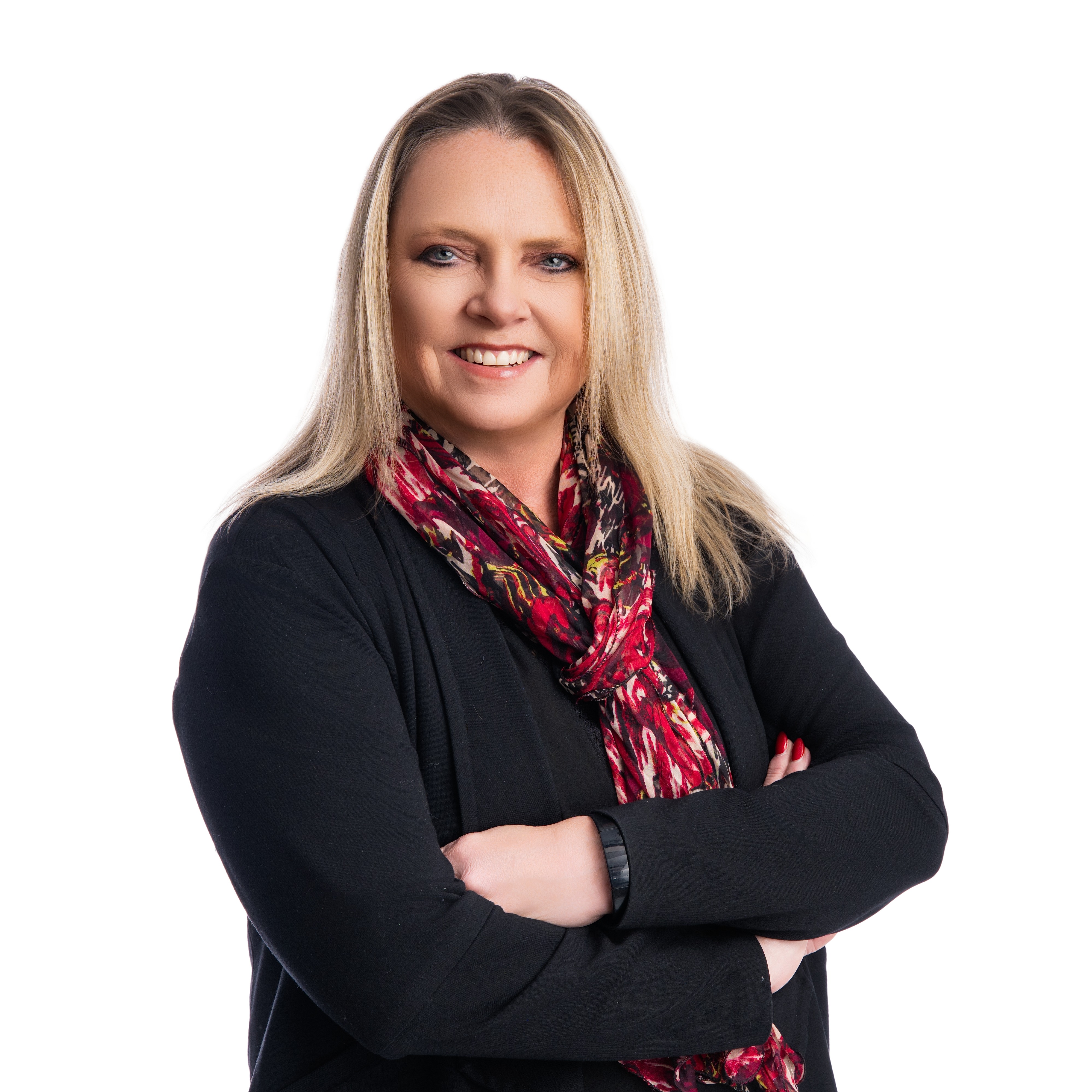
Kim Susands is a highly skilled Realtor based in Oshawa, Ontario, Canada, with a passion for real estate and an unwavering commitment to excellence. She is a graduate of the prestigious New York Insti....
You've spent years maintaining a family home. The kids have moved out, the stairs are becoming less appealing, and the thought of spending every weekend mowing the lawn and cleaning unused rooms no
When most people think about buying a home, they focus on two big numbers: the purchase price and the down payment.But ask almost any homeowner, and they'll tell you the same thing—there are
After 25 years—or even longer—in the same home, it's not unusual to look around and wonder, "How did we accumulate so much stuff?"For many homeowners approaching retirement or
For many homeowners, selling a home is more than a real estate transaction.It's the closing of a chapter.The family home is often where life's most important moments happened. It's where children
 Toronto Real Estate Board (TRREB); All information deemed reliable but not guaranteed. All properties are subject to prior sale, change or withdrawal. Neither listing broker(s) or information provider(s) shall be responsible for any typographical errors, misinformation, misprints and shall be held totally harmless. Listing(s) information is provided for consumer's personal, non-commercial use and may not be used for any purpose other than to identify prospective properties consumers may be interested
in purchasing. The data relating to real estate for sale on this website comes in part from the Internet Data Exchange program of the Multiple Listing Service. Real estate listings held by brokerage firms other than REMAX Jazz Inc. may be marked with the Internet Data Exchange logo and detailed information about those properties will include the name of the listing broker(s) when required by the MLS. Copyright ©2026 All rights reserved.
Last Updated: September 24, 2026 3:02 PM UTC
Show More...
Toronto Real Estate Board (TRREB); All information deemed reliable but not guaranteed. All properties are subject to prior sale, change or withdrawal. Neither listing broker(s) or information provider(s) shall be responsible for any typographical errors, misinformation, misprints and shall be held totally harmless. Listing(s) information is provided for consumer's personal, non-commercial use and may not be used for any purpose other than to identify prospective properties consumers may be interested
in purchasing. The data relating to real estate for sale on this website comes in part from the Internet Data Exchange program of the Multiple Listing Service. Real estate listings held by brokerage firms other than REMAX Jazz Inc. may be marked with the Internet Data Exchange logo and detailed information about those properties will include the name of the listing broker(s) when required by the MLS. Copyright ©2026 All rights reserved.
Last Updated: September 24, 2026 3:02 PM UTC
Show More...

The listing data displayed is deemed reliable but is not guaranteed accurate by CREA®. Data last updated on September 24, 2026 4:28 PM UTC The trademarks REALTOR®, REALTORS®; and the REALTOR® logo are controlled by The Canadian Real Estate Association (CREA®) and identify real estate professionals who are members of CREA®. Used under license. The trademarks MLS®, Multiple Listing Service® and the associated logos are owned by The Canadian Real Estate Association (CREA®) and identify the quality of services provided by real estate professionals who are members of CREA®. Used under license.
Show More...
 Data provided by the Ontario Regional Technology & Information Systems. The information is deemed reliable, but is not guaranteed. Not intended to solicit buyers or sellers, landlords or tenants currently under contract.
The trademarks REALTOR®, REALTORS® and the REALTOR® logo are controlled by The Canadian Real Estate Association (CREA) and identify real estate professionals who are members of CREA. The trademarks MLS®, Multiple Listing Service® and the associated logos are owned
by CREA and identify the quality of services provided by real estate professionals who are members of CREA. Used under license.
REALTOR® contact information provided to facilitate inquiries from consumers interested in Real Estate services. Please do not contact the website owner with unsolicited commercial offers.
Show More...
Data provided by the Ontario Regional Technology & Information Systems. The information is deemed reliable, but is not guaranteed. Not intended to solicit buyers or sellers, landlords or tenants currently under contract.
The trademarks REALTOR®, REALTORS® and the REALTOR® logo are controlled by The Canadian Real Estate Association (CREA) and identify real estate professionals who are members of CREA. The trademarks MLS®, Multiple Listing Service® and the associated logos are owned
by CREA and identify the quality of services provided by real estate professionals who are members of CREA. Used under license.
REALTOR® contact information provided to facilitate inquiries from consumers interested in Real Estate services. Please do not contact the website owner with unsolicited commercial offers.
Show More...
 All information deemed reliable but not guaranteed. All properties are subject to prior sale, change or withdrawal. Neither listing broker(s) or information provider(s) shall be responsible for any typographical errors, misinformation, misprints and shall be held totally harmless. Listing(s) information is provided for consumer's personal, non-commercial use and may not be used for any purpose other than to identify prospective properties consumers may be interested in purchasing. The data relating
to real estate for sale on this website comes in part from the Internet Data Exchange program of the Multiple Listing Service. Real estate listings held by brokerage firms other than REMAX Jazz Inc. may be marked with the Internet Data Exchange logo and detailed information about those properties will include the name of the listing broker(s) when required by the MLS. Copyright ©2026 All rights reserved.
Last Updated: September 24, 2026 10:50 AM UTC
Show More...
All information deemed reliable but not guaranteed. All properties are subject to prior sale, change or withdrawal. Neither listing broker(s) or information provider(s) shall be responsible for any typographical errors, misinformation, misprints and shall be held totally harmless. Listing(s) information is provided for consumer's personal, non-commercial use and may not be used for any purpose other than to identify prospective properties consumers may be interested in purchasing. The data relating
to real estate for sale on this website comes in part from the Internet Data Exchange program of the Multiple Listing Service. Real estate listings held by brokerage firms other than REMAX Jazz Inc. may be marked with the Internet Data Exchange logo and detailed information about those properties will include the name of the listing broker(s) when required by the MLS. Copyright ©2026 All rights reserved.
Last Updated: September 24, 2026 10:50 AM UTC
Show More...
 All information deemed reliable but not guaranteed. All properties are subject to prior sale, change or withdrawal. Neither listing broker(s) or information provider(s) shall be responsible for any typographical errors, misinformation, misprints and shall be held totally harmless. Listing(s) information is provided for consumer's personal, non-commercial use and may not be used for any purpose other than to identify prospective properties consumers may be interested in purchasing. The data relating
to real estate for sale on this website comes in part from the Internet Data Exchange program of the Multiple Listing Service. Real estate listings held by brokerage firms other than REMAX Jazz Inc. may be marked with the Internet Data Exchange logo and detailed information about those properties will include the name of the listing broker(s) when required by the MLS. Copyright ©2026 All rights reserved.
Last Updated: September 24, 2026 4:24 PM UTC
Show More...
All information deemed reliable but not guaranteed. All properties are subject to prior sale, change or withdrawal. Neither listing broker(s) or information provider(s) shall be responsible for any typographical errors, misinformation, misprints and shall be held totally harmless. Listing(s) information is provided for consumer's personal, non-commercial use and may not be used for any purpose other than to identify prospective properties consumers may be interested in purchasing. The data relating
to real estate for sale on this website comes in part from the Internet Data Exchange program of the Multiple Listing Service. Real estate listings held by brokerage firms other than REMAX Jazz Inc. may be marked with the Internet Data Exchange logo and detailed information about those properties will include the name of the listing broker(s) when required by the MLS. Copyright ©2026 All rights reserved.
Last Updated: September 24, 2026 4:24 PM UTC
Show More...