You've spent years maintaining a family home. The kids have moved out, the stairs are becoming less appealing, and the thought of spending every weekend mowing the lawn and cleaning unused rooms no
Dated: July 29 2026
Views: 62
After 25 years—or even longer—in the same home, it's not unusual to look around and wonder, "How did we accumulate so much stuff?"
For many homeowners approaching retirement or considering a move to a smaller home, condo, or retirement community, the thought of downsizing can feel overwhelming. It's not just about moving furniture. It's about sorting through decades of memories, possessions, paperwork, and family treasures.
The good news? You don't have to do it all at once.
The key to successful downsizing is having a plan and giving yourself enough time to work through the process thoughtfully.
Step 1: Start Earlier Than You Think You Need To
One of the biggest mistakes people make is waiting until their home is listed for sale before they begin downsizing.
Ideally, start 6 to 12 months before your anticipated move. This allows you to make decisions gradually without feeling rushed or emotional.
Even spending just 30 minutes a few times each week can make a significant difference over several months.
Remember: downsizing is a marathon, not a sprint.
Step 2: Focus on One Space at a Time
Looking at an entire house can feel impossible. Instead, break the process into manageable pieces.
Start with areas that typically have less emotional attachment, such as:
Once you've built momentum, move on to larger areas such as:
Leave highly sentimental items until later when you've developed confidence in the decision-making process.
Step 3: Use the Four-Box Method
As you sort through belongings, create four categories:
Keep
Items you use regularly and plan to take with you.
Donate
Items in good condition that someone else can use.
Sell
Furniture, collectibles, antiques, or specialty items that may have value.
Discard
Broken, outdated, or unusable items.
Be honest with yourself. If you haven't used something in years and don't anticipate needing it, it may be time to let it go.
Step 4: Measure Your New Space
One of the biggest challenges for downsizers is realizing that not everything will fit into their next home.
Before deciding what to keep:
A dining table that comfortably fits eight guests may simply not work in a condo dining area.
Knowing your future space helps make decisions easier today.
Step 5: Tackle Paper Clutter
Many long-time homeowners have accumulated filing cabinets, banker boxes, and stacks of paperwork over the years.
Ask yourself:
Important documents to keep may include:
Everything else may be eligible for shredding or recycling.
Step 6: Deal with Sentimental Items Last
The hardest part of downsizing isn't usually the furniture.
It's the memories.
Children's artwork.
Family heirlooms.
Photo albums.
Holiday decorations.
Collections gathered over a lifetime.
When sorting sentimental items:
Ask yourself:
"Would I rather have this item sitting in a box, or see someone I love enjoying it today?"
Step 7: Involve Family Carefully
Many parents assume their children want everything.
The reality is often different.
Before storing or moving items for your children, ask them what they actually want.
You may be surprised by their answers.
Having these conversations early can prevent unnecessary moving expenses and future frustration.
Step 8: Don't Forget the Hidden Areas
Some of the biggest downsizing projects are often found in:
Many homeowners discover items they haven't seen in years.
These areas often contain the easiest decisions because the items are less frequently used.
Step 9: Consider Professional Help
You don't have to do everything yourself.
There are professionals who specialize in:
Having the right support can dramatically reduce stress and save valuable time.
Step 10: Focus on the Lifestyle You're Moving Toward
Many people approach downsizing as a process of giving things up.
Instead, think about what you're gaining:
Downsizing isn't about losing space.
It's about creating room for the next chapter of your life.
Final Thoughts
After 25 years in the same home, downsizing can feel overwhelming. But with a clear plan and enough time, it becomes much more manageable.
Start small.
Take it one room at a time.
Focus on progress, not perfection.
Most importantly, remember that you're not just moving your belongings—you're creating a home that better supports the life you want to live in the years ahead.
If you're considering downsizing in Oshawa, Whitby or elsewhere in Durham Region, I'd be happy to help you create a personalized downsizing plan. From preparing your current home for sale to finding the perfect next home, I'll guide you through every step of the journey.
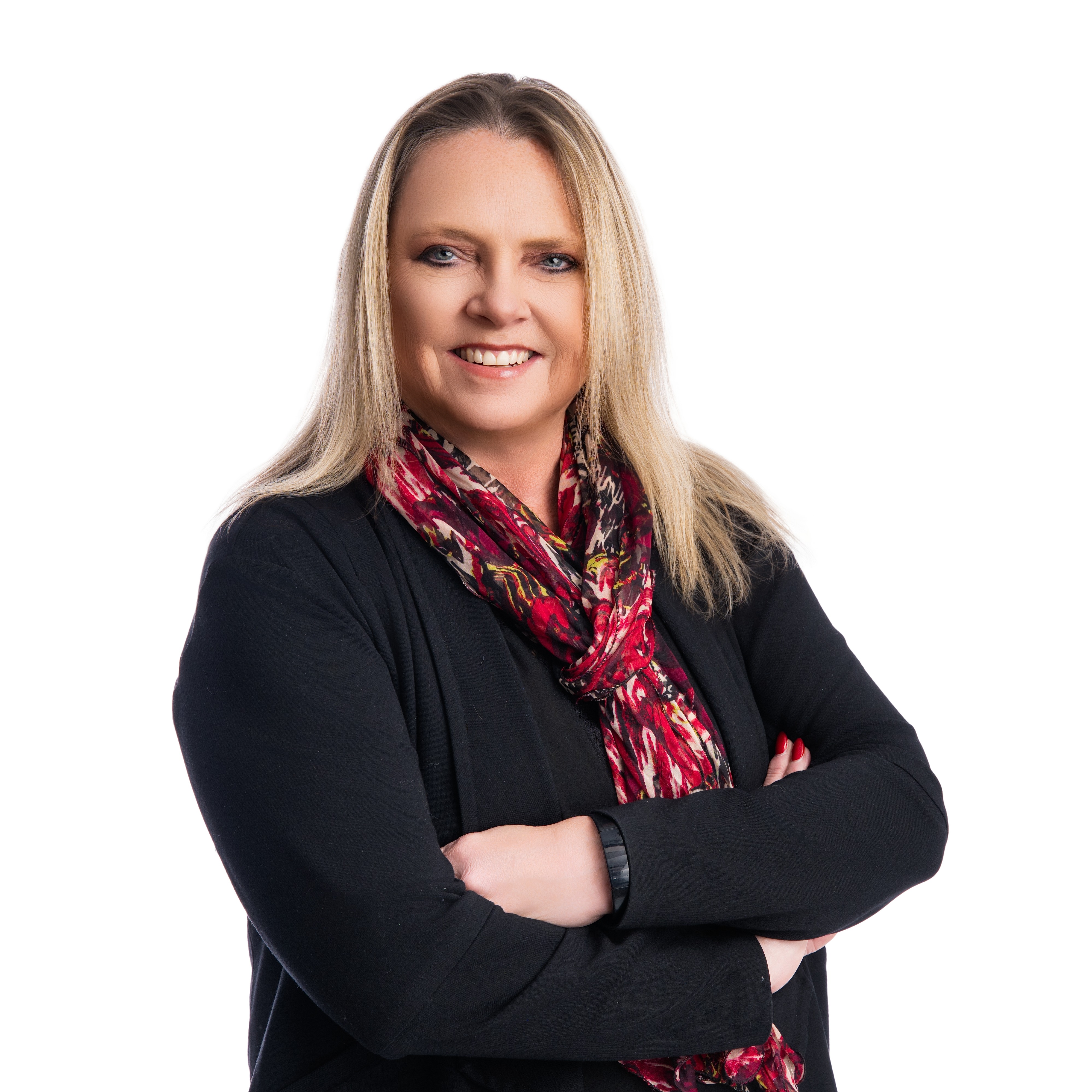
Kim Susands is a highly skilled Realtor based in Oshawa, Ontario, Canada, with a passion for real estate and an unwavering commitment to excellence. She is a graduate of the prestigious New York Insti....
You've spent years maintaining a family home. The kids have moved out, the stairs are becoming less appealing, and the thought of spending every weekend mowing the lawn and cleaning unused rooms no
When most people think about buying a home, they focus on two big numbers: the purchase price and the down payment.But ask almost any homeowner, and they'll tell you the same thing—there are
After 25 years—or even longer—in the same home, it's not unusual to look around and wonder, "How did we accumulate so much stuff?"For many homeowners approaching retirement or
For many homeowners, selling a home is more than a real estate transaction.It's the closing of a chapter.The family home is often where life's most important moments happened. It's where children
 Toronto Real Estate Board (TRREB); All information deemed reliable but not guaranteed. All properties are subject to prior sale, change or withdrawal. Neither listing broker(s) or information provider(s) shall be responsible for any typographical errors, misinformation, misprints and shall be held totally harmless. Listing(s) information is provided for consumer's personal, non-commercial use and may not be used for any purpose other than to identify prospective properties consumers may be interested
in purchasing. The data relating to real estate for sale on this website comes in part from the Internet Data Exchange program of the Multiple Listing Service. Real estate listings held by brokerage firms other than REMAX Jazz Inc. may be marked with the Internet Data Exchange logo and detailed information about those properties will include the name of the listing broker(s) when required by the MLS. Copyright ©2026 All rights reserved.
Last Updated: September 24, 2026 3:02 PM UTC
Show More...
Toronto Real Estate Board (TRREB); All information deemed reliable but not guaranteed. All properties are subject to prior sale, change or withdrawal. Neither listing broker(s) or information provider(s) shall be responsible for any typographical errors, misinformation, misprints and shall be held totally harmless. Listing(s) information is provided for consumer's personal, non-commercial use and may not be used for any purpose other than to identify prospective properties consumers may be interested
in purchasing. The data relating to real estate for sale on this website comes in part from the Internet Data Exchange program of the Multiple Listing Service. Real estate listings held by brokerage firms other than REMAX Jazz Inc. may be marked with the Internet Data Exchange logo and detailed information about those properties will include the name of the listing broker(s) when required by the MLS. Copyright ©2026 All rights reserved.
Last Updated: September 24, 2026 3:02 PM UTC
Show More...

The listing data displayed is deemed reliable but is not guaranteed accurate by CREA®. Data last updated on September 24, 2026 4:28 PM UTC The trademarks REALTOR®, REALTORS®; and the REALTOR® logo are controlled by The Canadian Real Estate Association (CREA®) and identify real estate professionals who are members of CREA®. Used under license. The trademarks MLS®, Multiple Listing Service® and the associated logos are owned by The Canadian Real Estate Association (CREA®) and identify the quality of services provided by real estate professionals who are members of CREA®. Used under license.
Show More...
 Data provided by the Ontario Regional Technology & Information Systems. The information is deemed reliable, but is not guaranteed. Not intended to solicit buyers or sellers, landlords or tenants currently under contract.
The trademarks REALTOR®, REALTORS® and the REALTOR® logo are controlled by The Canadian Real Estate Association (CREA) and identify real estate professionals who are members of CREA. The trademarks MLS®, Multiple Listing Service® and the associated logos are owned
by CREA and identify the quality of services provided by real estate professionals who are members of CREA. Used under license.
REALTOR® contact information provided to facilitate inquiries from consumers interested in Real Estate services. Please do not contact the website owner with unsolicited commercial offers.
Show More...
Data provided by the Ontario Regional Technology & Information Systems. The information is deemed reliable, but is not guaranteed. Not intended to solicit buyers or sellers, landlords or tenants currently under contract.
The trademarks REALTOR®, REALTORS® and the REALTOR® logo are controlled by The Canadian Real Estate Association (CREA) and identify real estate professionals who are members of CREA. The trademarks MLS®, Multiple Listing Service® and the associated logos are owned
by CREA and identify the quality of services provided by real estate professionals who are members of CREA. Used under license.
REALTOR® contact information provided to facilitate inquiries from consumers interested in Real Estate services. Please do not contact the website owner with unsolicited commercial offers.
Show More...
 All information deemed reliable but not guaranteed. All properties are subject to prior sale, change or withdrawal. Neither listing broker(s) or information provider(s) shall be responsible for any typographical errors, misinformation, misprints and shall be held totally harmless. Listing(s) information is provided for consumer's personal, non-commercial use and may not be used for any purpose other than to identify prospective properties consumers may be interested in purchasing. The data relating
to real estate for sale on this website comes in part from the Internet Data Exchange program of the Multiple Listing Service. Real estate listings held by brokerage firms other than REMAX Jazz Inc. may be marked with the Internet Data Exchange logo and detailed information about those properties will include the name of the listing broker(s) when required by the MLS. Copyright ©2026 All rights reserved.
Last Updated: September 24, 2026 10:50 AM UTC
Show More...
All information deemed reliable but not guaranteed. All properties are subject to prior sale, change or withdrawal. Neither listing broker(s) or information provider(s) shall be responsible for any typographical errors, misinformation, misprints and shall be held totally harmless. Listing(s) information is provided for consumer's personal, non-commercial use and may not be used for any purpose other than to identify prospective properties consumers may be interested in purchasing. The data relating
to real estate for sale on this website comes in part from the Internet Data Exchange program of the Multiple Listing Service. Real estate listings held by brokerage firms other than REMAX Jazz Inc. may be marked with the Internet Data Exchange logo and detailed information about those properties will include the name of the listing broker(s) when required by the MLS. Copyright ©2026 All rights reserved.
Last Updated: September 24, 2026 10:50 AM UTC
Show More...
 All information deemed reliable but not guaranteed. All properties are subject to prior sale, change or withdrawal. Neither listing broker(s) or information provider(s) shall be responsible for any typographical errors, misinformation, misprints and shall be held totally harmless. Listing(s) information is provided for consumer's personal, non-commercial use and may not be used for any purpose other than to identify prospective properties consumers may be interested in purchasing. The data relating
to real estate for sale on this website comes in part from the Internet Data Exchange program of the Multiple Listing Service. Real estate listings held by brokerage firms other than REMAX Jazz Inc. may be marked with the Internet Data Exchange logo and detailed information about those properties will include the name of the listing broker(s) when required by the MLS. Copyright ©2026 All rights reserved.
Last Updated: September 24, 2026 4:24 PM UTC
Show More...
All information deemed reliable but not guaranteed. All properties are subject to prior sale, change or withdrawal. Neither listing broker(s) or information provider(s) shall be responsible for any typographical errors, misinformation, misprints and shall be held totally harmless. Listing(s) information is provided for consumer's personal, non-commercial use and may not be used for any purpose other than to identify prospective properties consumers may be interested in purchasing. The data relating
to real estate for sale on this website comes in part from the Internet Data Exchange program of the Multiple Listing Service. Real estate listings held by brokerage firms other than REMAX Jazz Inc. may be marked with the Internet Data Exchange logo and detailed information about those properties will include the name of the listing broker(s) when required by the MLS. Copyright ©2026 All rights reserved.
Last Updated: September 24, 2026 4:24 PM UTC
Show More...